Empowering girls in Kibera via STEM Education
Kibera began over a century ago as a temporary settlement for Sudanese soldiers. Today, it’s one of the world’s largest informal urban settlements, home to around 1.2 million people, shaped by decades of migration, conflict, and climate disruption.
Often reduced to statistics on poverty and overcrowding, Kibera is also a vibrant, tightly woven community filled with courage and ingenuity. It’s a place where grassroots movements are rewriting futures, especially for the next generation.
But the challenges are real, and urgent.
With 60% of children out of school, the education crisis in Kibera fuels a cycle of poverty, limiting opportunity and eroding confidence. Girls, in particular, face acute barriers: only 43% are able to stay in school, often held back by domestic responsibilities, financial pressure, or social norms that undervalue their education. Without support, many face the risks of exploitation, early marriage, and violence.
Boys, too, face grave challenges—frequently exposed to violence, street economies, and gang recruitment as early as age 11. The result: shrinking futures for all.
What We’re Doing in Kibera
In 2024, Phoenix Space partnered with The Sunflower Trust, a local organisation led by former beneficiaries and educators from the community itself. Sunflower’s team doesn’t just serve Kibera—they live it. Their work is grounded in empathy, trust, and deep community understanding.
Together, we launched STEM Spark—Phoenix Space’s signature education programme for crisis-affected youth—in the heart of Kibera. While Kenya is fast becoming the “Digital Savannah,” young people in Kibera remain largely excluded from foundational STEM education.
We’re changing that.
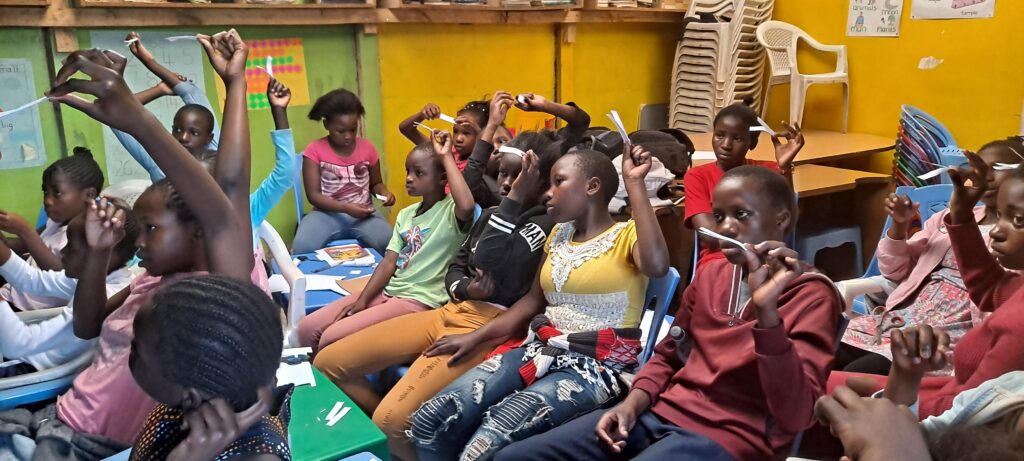
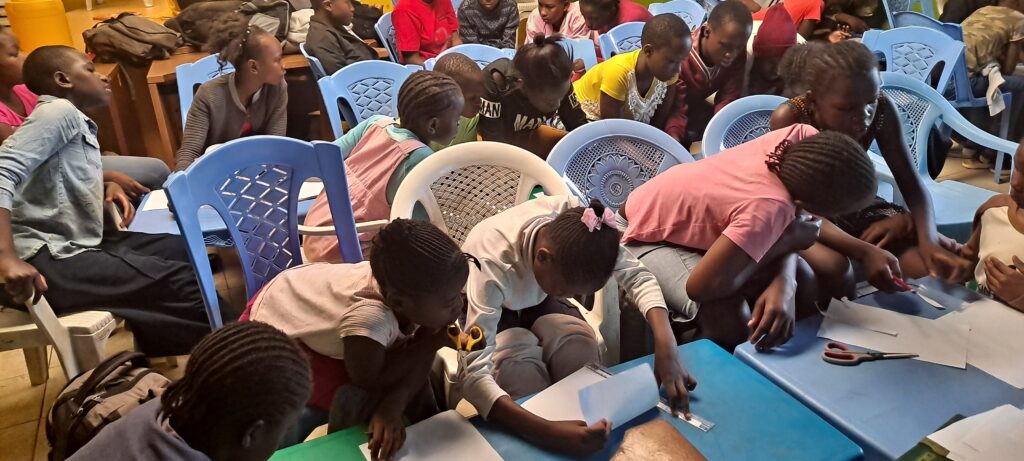
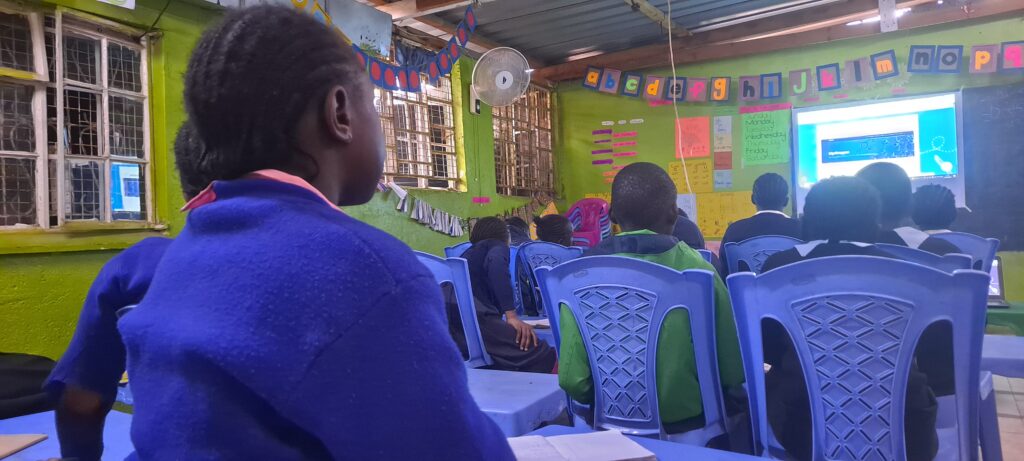
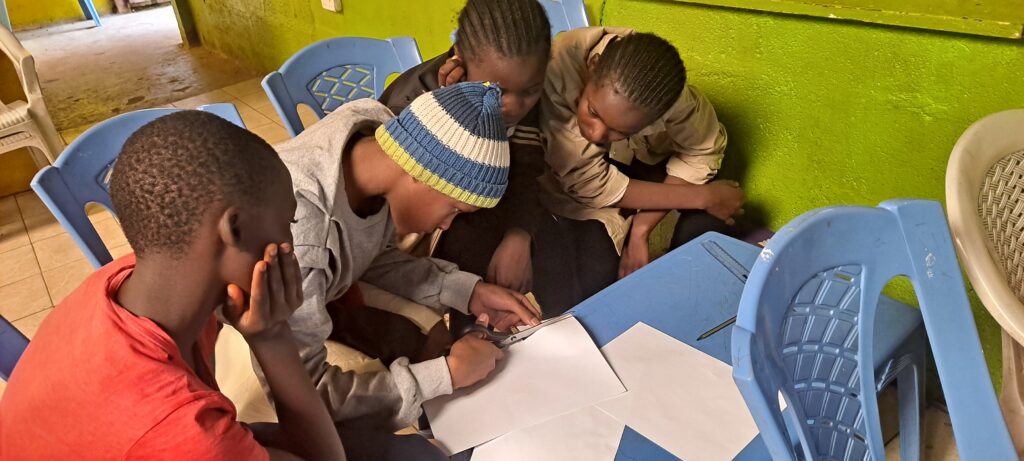
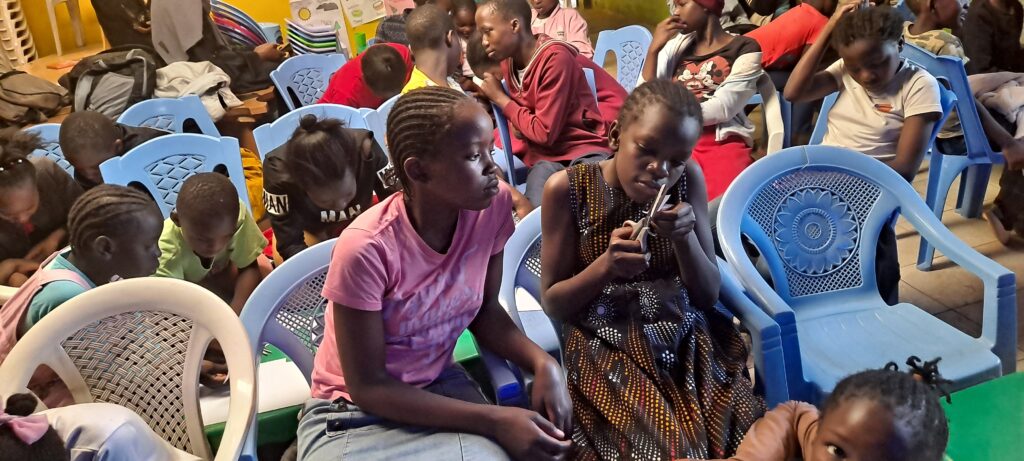
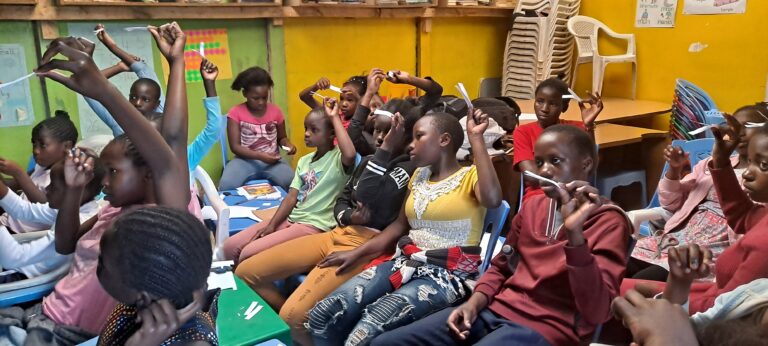
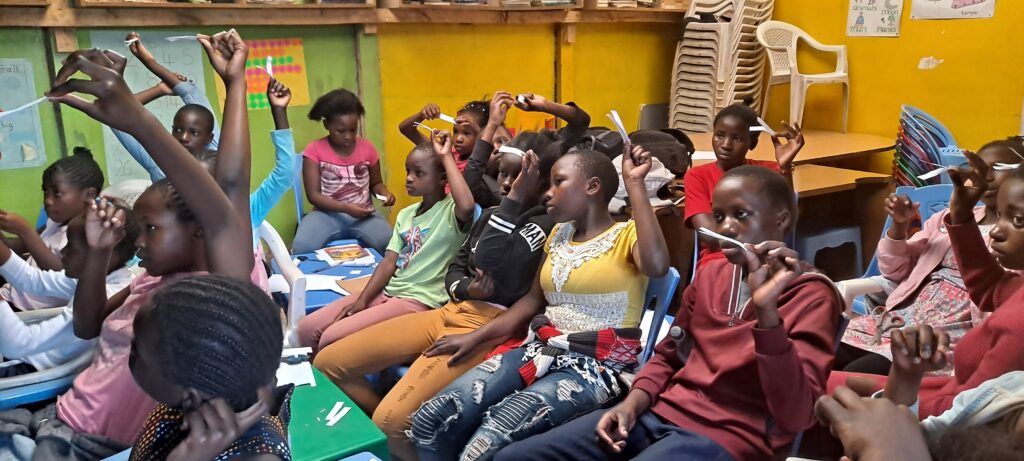
In our first cohort, 50 at-risk girls aged 8 to 13 explored science and technology through play, discovery, and hands-on learning. For many, this was the first time they saw themselves reflected in these subjects—not as outsiders, but as creators and problem-solvers.
At the same time, we worked with local educators to adapt STEM Spark to Kibera’s realities—offering practical tools and inclusive teaching strategies rooted in lived experience.
But this work is about more than formulas or coding basics. It’s about confidence. It’s about joy. It’s about watching a girl who once doubted her own intelligence light up with curiosity—and begin to imagine a different future.
Education with Context, Not Just Content
We know education can’t succeed in isolation. That’s why, alongside the academic programme, Sunflower leads community workshops that invite caregivers and parents into the conversation. These sessions promote gender equity, reshape expectations, and build shared belief in what’s possible—especially for girls.
This collaboration isn’t just about building knowledge. It’s about shifting culture—creating learning environments where girls are safe, supported, and celebrated.
From Kibera to the World
Kibera’s challenges are undeniable—but so is its potential. At Phoenix Space, we see what happens when education meets empathy, and opportunity meets lived wisdom.
Together with Sunflower, we’re not just delivering lessons—we’re investing in a future where every girl in Kibera knows her voice matters, her mind is powerful, and her possibilities are limitless.